Native Instruments Fm7 64 Bit

A 64-bit effect and synth matrix plugin that includes a built-in bridge to load legacy 32-bit instruments seamlessly.

The matrix-based modulation display made FM synthesis—often considered daunting—visually accessible. Native Instruments FM7 and 64-Bit Compatibility

Native Instruments FM7 was never officially released as a 64-bit plugin. It remains a that was superseded by FM8 in 2006. native instruments fm7 64 bit

The internal clipping and older interpolation algorithms of FM7 gave it a slightly grittier, punchier low-end response compared to the cleaner, more polished sound of FM8.

If your primary DAW refuses to work with bridges, you can run FM7 inside a dedicated, lightweight 32-bit host alongside your main DAW. A 64-bit effect and synth matrix plugin that

. While it remains a cult favorite for its specific modulation capabilities, users seeking a modern

It's a scenario many veteran music producers know all too well. You're digging through an archive of old projects, and you stumble upon a track from the mid-2000s. The chords, the beats, the bassline—everything is there, except one crucial component. Your modern, 64-bit Digital Audio Workstation (DAW) greets you with a stern error message: “FM7.dll” not found. The sound that defined an era of electronic music seems lost to the sands of technological progress. It remains a that was superseded by FM8 in 2006

For users looking for cross-platform bridging, DDMF’s Bridgewize or alternative network VST wrappers create an isolated process container. This ensures that if the legacy FM7 code crashes, it will not crash your entire DAW session. Method 2: Load FM7 Inside a 64-Bit Wrapper Host

Presets & Sound Library

Open your 64-bit DAW, add the bridged folder to your VST scan path, and rescan. FM7 will now appear in your instrument list. Important Compatibility Warning for Modern Mac Users

A versatile plug-in patchwork matrix that allows you to chain vintage 32-bit plugins into modern signal paths. Method 3: Built-in DAW Bridging
Tired of losing 30% on every sale to payment processing fees?

Digital sales w/o DownloadPage

  • Waste months coding your own tool
  • Worry about bandwidth, hosting costs
  • Or pay 30% on every sale

Digital Sales + DownloadPage

  • Set up in 1-min, no coding required
  • Hosting, bandwidth handled for you
  • No extra transaction fees at all

See how much you could save with DownloadPage

$
🎉 You could save $8,591 every year with our Indie plan!
This calculator is for informational purposes only. Prices are limited to the public fees for Gumroad as of June 15, 2025. This calculator assumes that you will only use the basic features of each payment processor and will not require any paid addons.

Certain payment processors are nice, until they're not

Here's how the problem happens:
🥳 You sign up with an expensive payment processor, and it seems like everything just works
🤑 Your business grows, and sales pick up. Then you look at your bank statement...
😢 You realize you've lost 30% of your gross revenue just to serve a few files.
You don't need to end up in this situation. There's a better way.

Here's how DownloadPage works in three simple steps

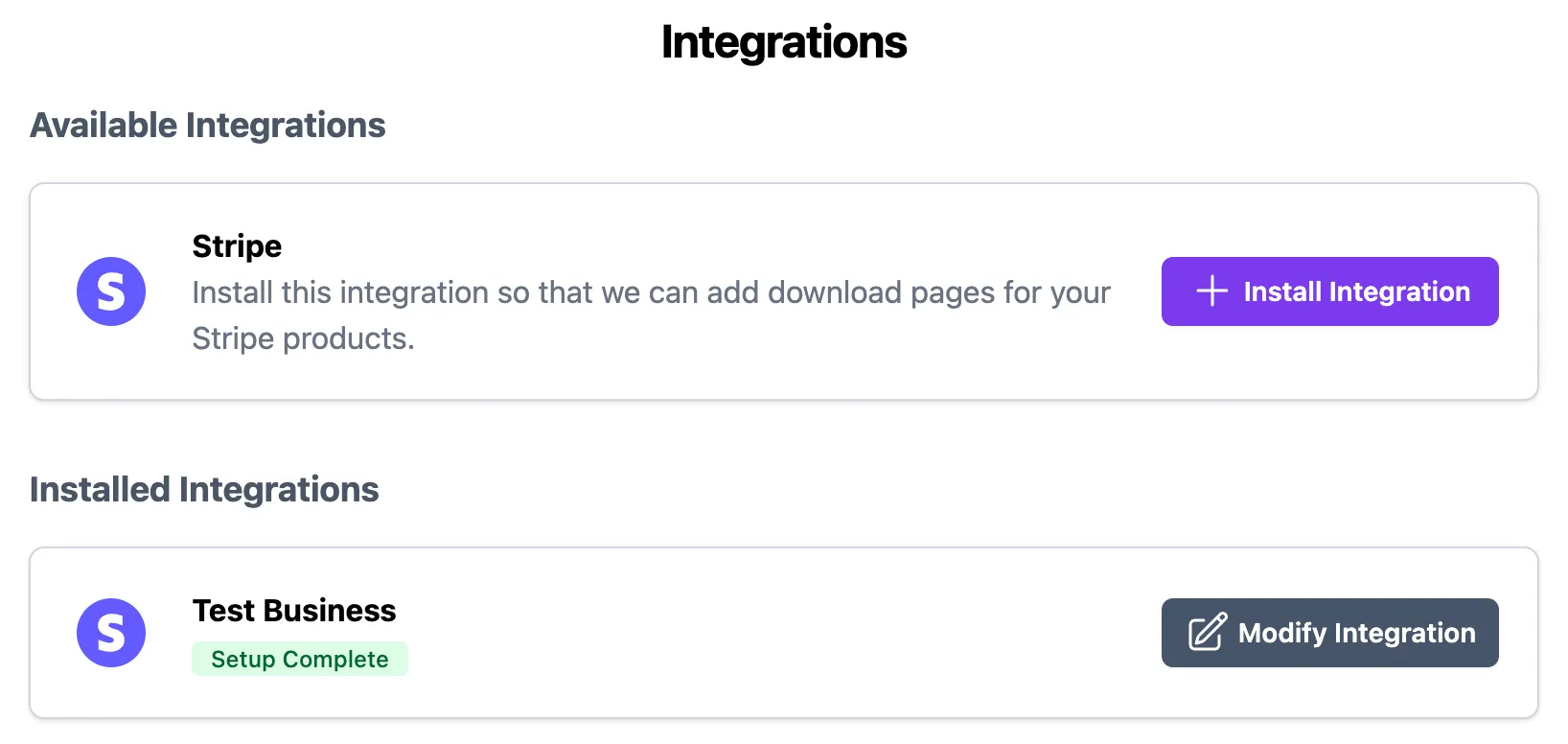
Connect a Stripe account to DownloadPage in one click and fill out your business details 🔗

Add the Stripe integration
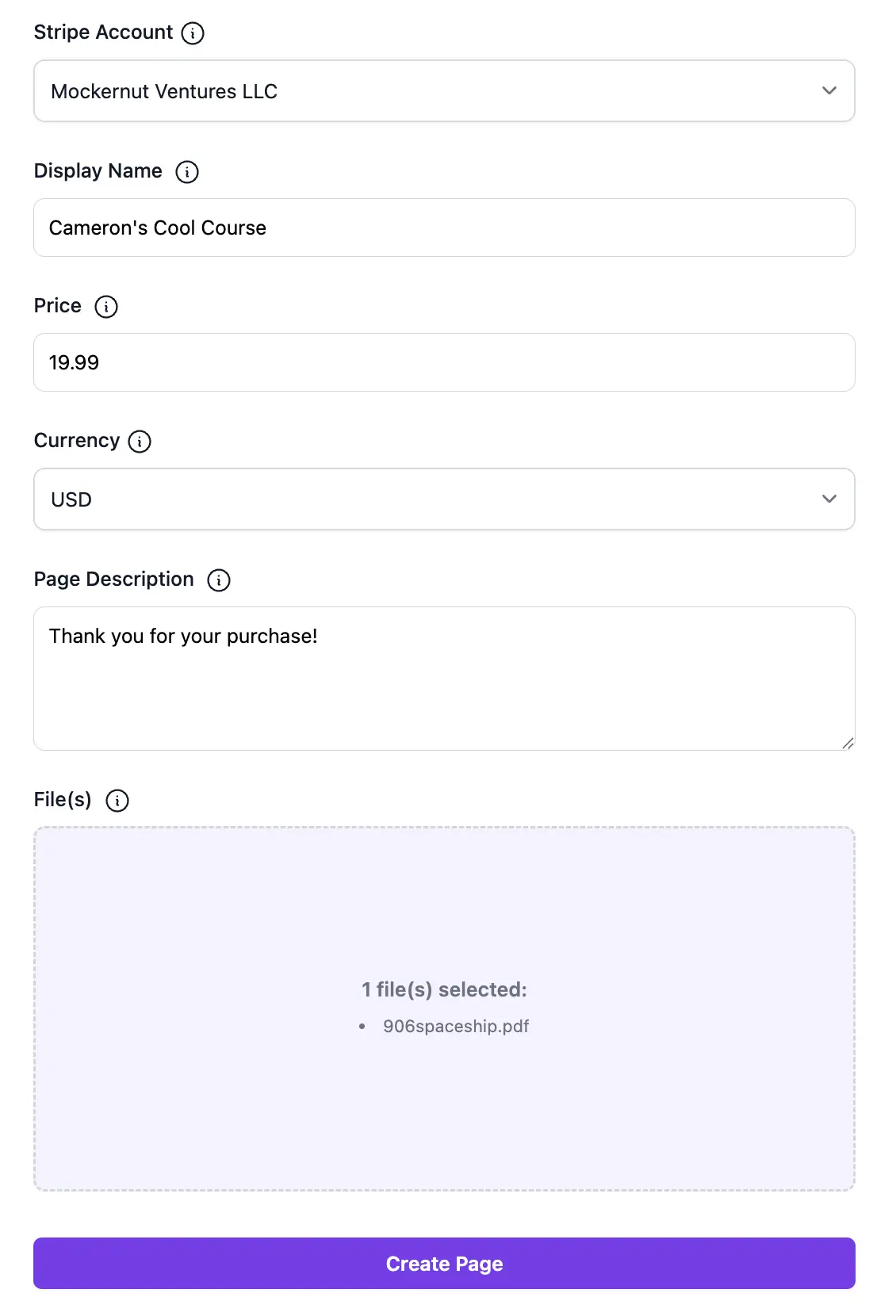
Create your Download Page

Create the download page and set a price for your product in our easy-to-use dashboard 🎨

Share the newly created payment link with your customers and get paid ✅

Copy the Payment Link

Hey, I'm Ben — Great to Meet You

Ben, the founder of DownloadPage

Hey there, I'm Ben, the founder of DownloadPage 👋

Let me share a quick story...

I used to sell a digital product through Lemon Squeezy.

It was full of bugs, the fees were high, and payouts were slow.

When I switched to Stripe, I started saving money and got paid faster. 🎉

The only problem? Selling directly meant stitching together a bunch of tools just to deliver a file.

So I built DownloadPage to make it simple. You connect Stripe, upload your product, and share a link. That's it.

If you're tired of giving up an unfair cut to your payment processor, this is for you!

See DownloadPage in Action

Best value

Pro

$19$39
per month
Try for Free ->

Frequently Asked Questions

A 64-bit effect and synth matrix plugin that includes a built-in bridge to load legacy 32-bit instruments seamlessly.

The matrix-based modulation display made FM synthesis—often considered daunting—visually accessible. Native Instruments FM7 and 64-Bit Compatibility

Native Instruments FM7 was never officially released as a 64-bit plugin. It remains a that was superseded by FM8 in 2006.

The internal clipping and older interpolation algorithms of FM7 gave it a slightly grittier, punchier low-end response compared to the cleaner, more polished sound of FM8.

If your primary DAW refuses to work with bridges, you can run FM7 inside a dedicated, lightweight 32-bit host alongside your main DAW.

. While it remains a cult favorite for its specific modulation capabilities, users seeking a modern

It's a scenario many veteran music producers know all too well. You're digging through an archive of old projects, and you stumble upon a track from the mid-2000s. The chords, the beats, the bassline—everything is there, except one crucial component. Your modern, 64-bit Digital Audio Workstation (DAW) greets you with a stern error message: “FM7.dll” not found. The sound that defined an era of electronic music seems lost to the sands of technological progress.

For users looking for cross-platform bridging, DDMF’s Bridgewize or alternative network VST wrappers create an isolated process container. This ensures that if the legacy FM7 code crashes, it will not crash your entire DAW session. Method 2: Load FM7 Inside a 64-Bit Wrapper Host

Presets & Sound Library

Open your 64-bit DAW, add the bridged folder to your VST scan path, and rescan. FM7 will now appear in your instrument list. Important Compatibility Warning for Modern Mac Users

A versatile plug-in patchwork matrix that allows you to chain vintage 32-bit plugins into modern signal paths. Method 3: Built-in DAW Bridging