






| HW-044 Pin | Arduino Due Pin | |------------|------------------| | BCLK | Pin 3 (DAC1) | | LRC | Pin 2 (DAC0) | | DIN | Pin 9 (DAC2) | | Others | Same as above |
// Read the initial state of CLK lastStateCLK = digitalRead(CLK_PIN);
The HW-044 expects MSB-first , left-justified data with 1 BCLK delay after LRC transition (standard I²S). Do not invert BCLK or LRC unless your microcontroller driver specifically requires it.
The board splits its interfaces into two distinct regions for installation ease. 1. Microcontroller Side (4-Pin Header) HW-044-1 MAX3232
If you have been tinkering with Arduino or Raspberry Pi for a while, you have likely accumulated a bag of miscellaneous blue breakout boards. One of the most common—yet often misunderstood—is the .
The HW-044 is a "workhorse" module used in various fields where modern chips need to "talk" to older hardware:
If you've found this article, you are likely an electronics hobbyist or engineer looking for a datasheet for this module. While a single, official document for the breakout board does not exist, this guide serves as the complete resource you need, compiling all its technical details, pinouts, application circuits, and programming examples.
// Center calibration (replace with your values) int centerX = 512; int centerY = 512;
An in-depth technical datasheet and guide for the module, a popular and cost-effective sensor calibration and breakout board used in DIY electronics, robotics, and microcontroller prototyping. HW-044 Datasheet and Technical Guide
#include <SoftwareSerial.h>
: Details on how the component is packaged, its weight, and information on its environmental compliance, such as RoHS (Restriction of Hazardous Substances) status.
Complete Guide to the HW-044 MAX3232 RS232-to-TTL Converter Module
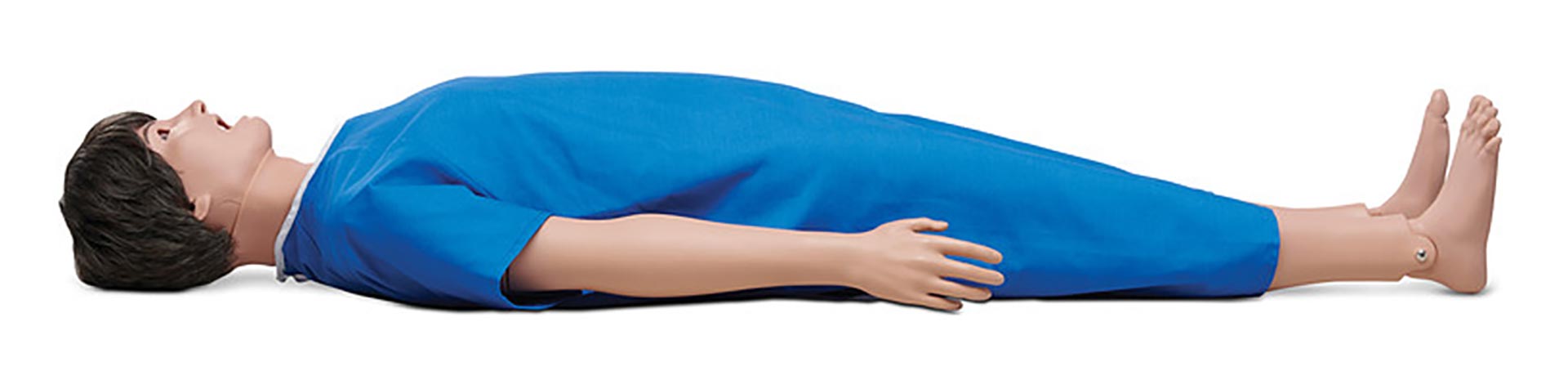
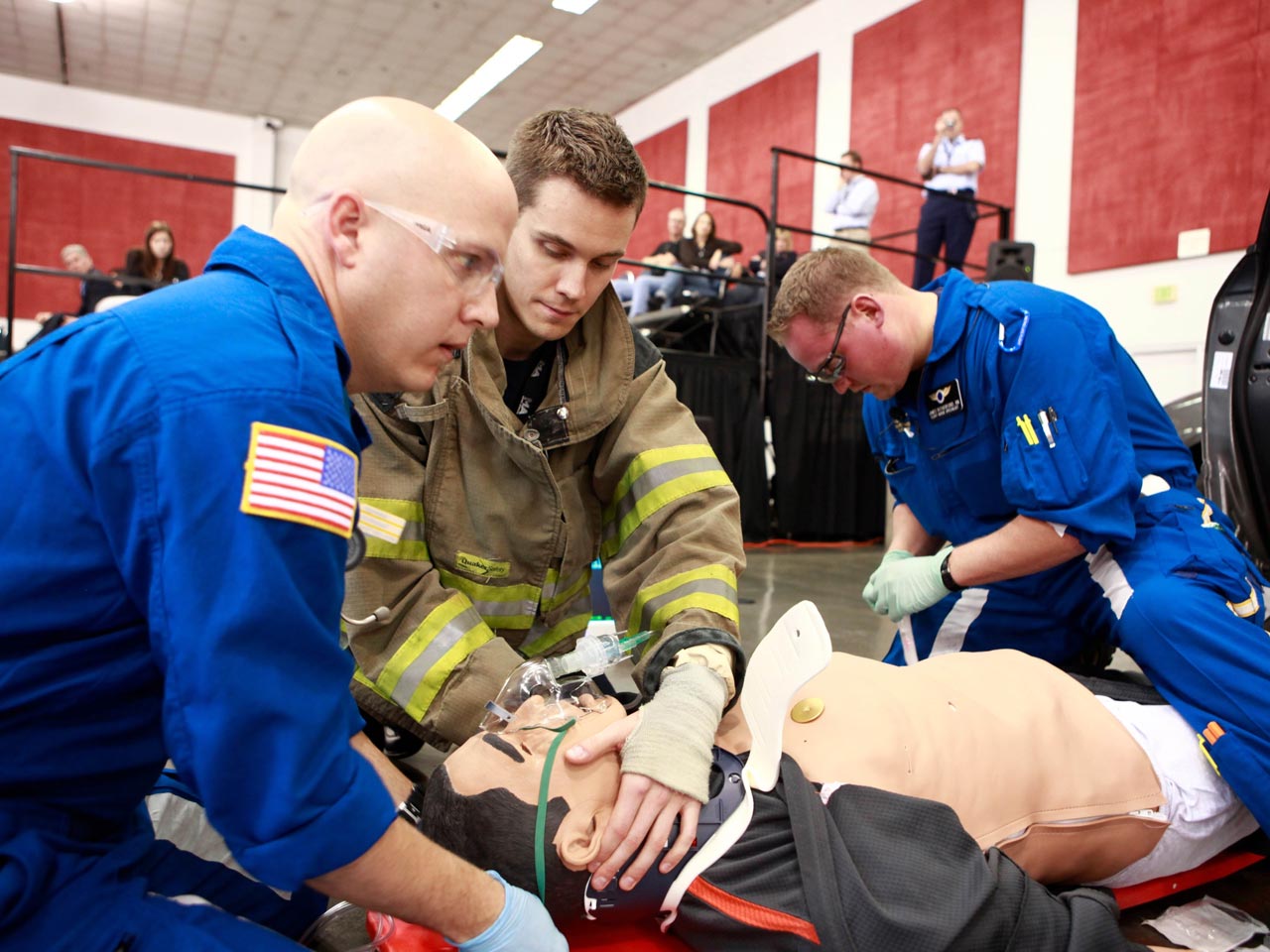
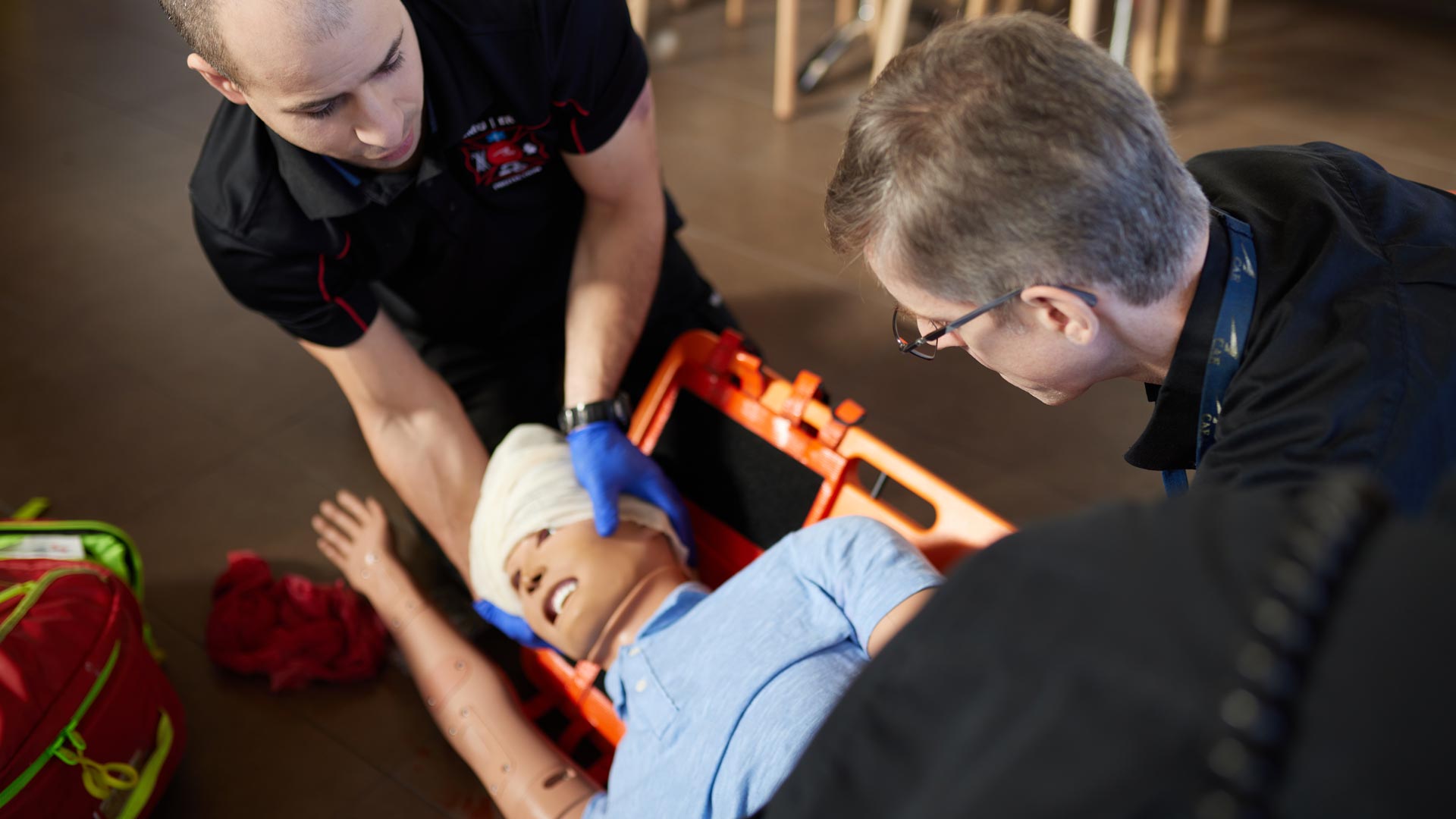
Save time and money with Ares, our cost-effective emergency care simulator designed for nursing programs, EMT educators, and trauma teams who need reliable training that delivers results. Learners can practice essential airway management, breathing assessment, and emergency medications while experiencing dynamic feedback that builds real confidence.
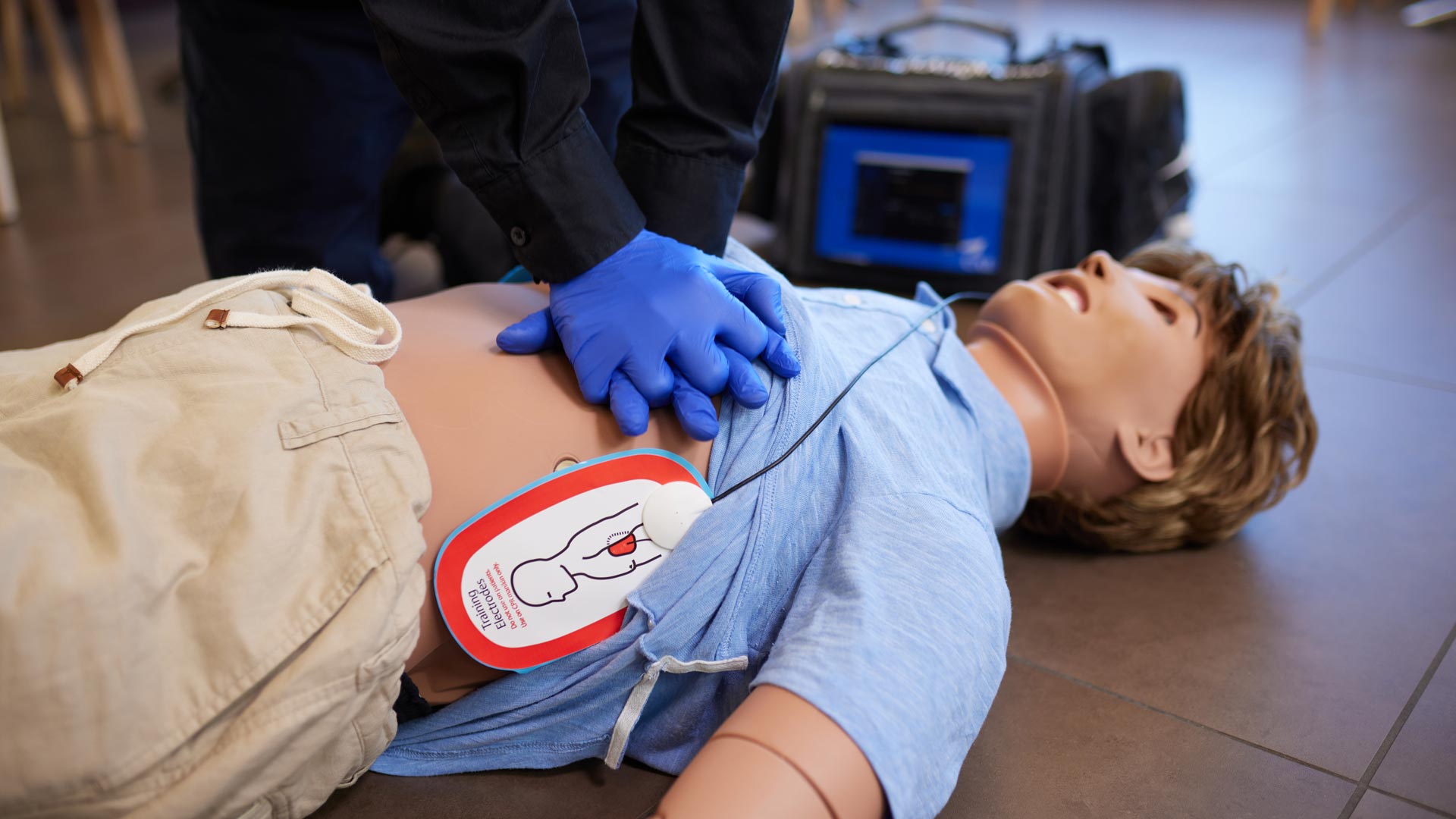
Ares integrates advanced training capabilities seamlessly into everyday curriculum. SymEyes technology enables patient condition assessment, while built-in CPR performance tracking ensures students master ALS and ACLS protocols. Combined with Maestro simulation software and two-way communication, these features create training experiences that translate directly to improved patient care.
"“Elevate Healthcare have many products that are available to meet the users where they're at, whether it is a low fidelity trainer or a mid-fidelity with some physiology, or a high-fidelity bit of equipment.” "
- - Dr. Daniel Ortiz, Associate Dean of Nursing and Allied Health
See how Ares delivers realistic emergency care training capabilities.
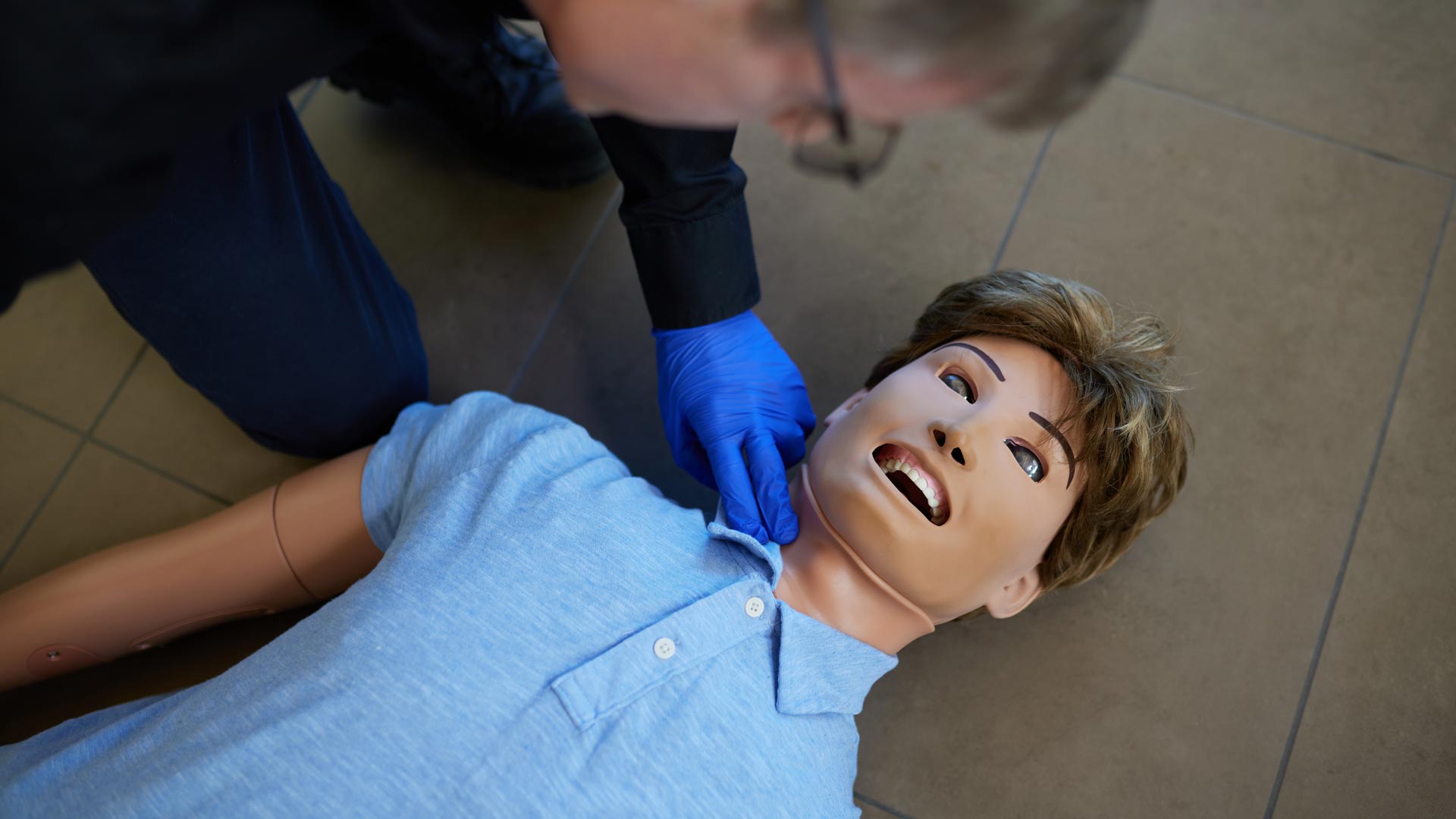
Alter the appearance of eyelids, pupils and sclera with SymEyes for diagnostic training
Bilateral carotid pulses paired with modeled physiology for cardiovascular assessment
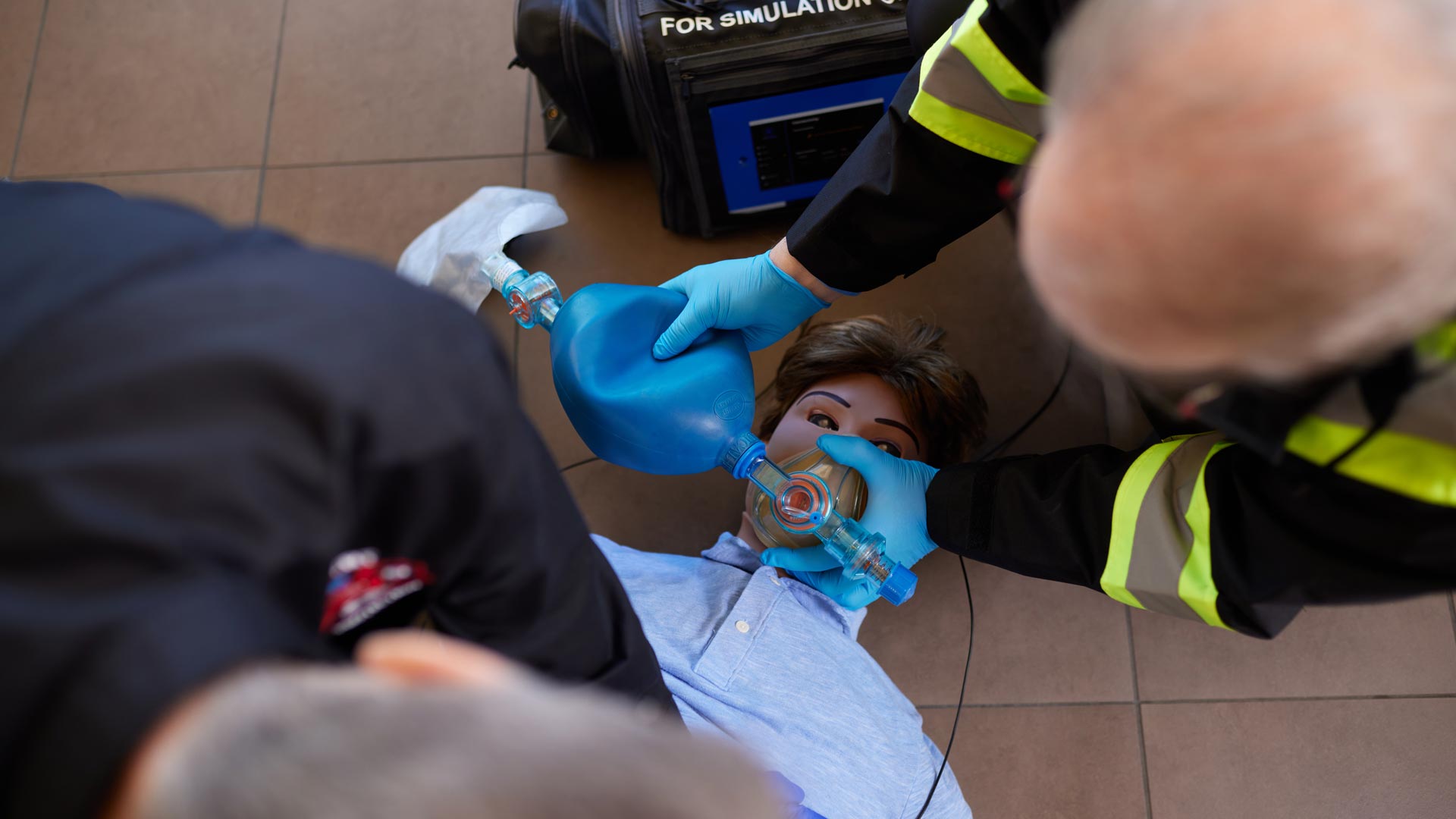
Spontaneous breathing with visible chest rise and fall during bag-valve-mask ventilation
Chest compressions compliant with AHA and ERC guidelines for resuscitation training
Auscultate normal and abnormal heart, lung and bowel sounds for patient assessment
Palpate bilateral brachial and radial pulses for circulatory evaluation
Realistic articulation at hips, knees, ankles, and shoulders for patient positioning
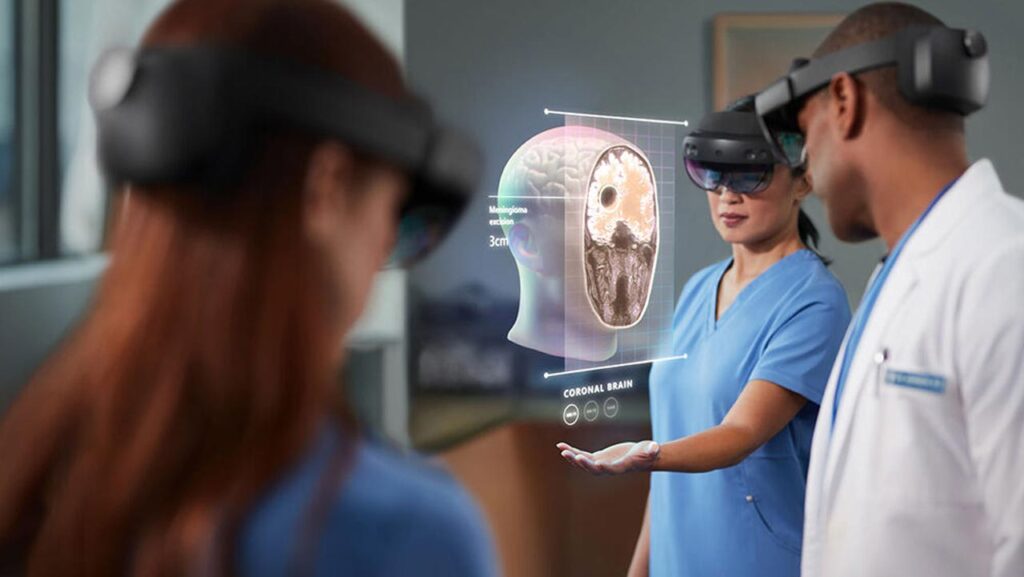
Explore Ares' emergency care capabilities, including SymEyes technology, two-way communication, advanced CPR performance analysis, and realistic emergency response training. See how Maestro software enables dynamic scenario management and real-time performance feedback for effective emergency care education.
Watch Demo
ELEVATE HEALTHCARE NEWSLETTER
Stay connected for useful insights, product updates, and training opportunities.
| HW-044 Pin | Arduino Due Pin | |------------|------------------| | BCLK | Pin 3 (DAC1) | | LRC | Pin 2 (DAC0) | | DIN | Pin 9 (DAC2) | | Others | Same as above |
// Read the initial state of CLK lastStateCLK = digitalRead(CLK_PIN);
The HW-044 expects MSB-first , left-justified data with 1 BCLK delay after LRC transition (standard I²S). Do not invert BCLK or LRC unless your microcontroller driver specifically requires it.
The board splits its interfaces into two distinct regions for installation ease. 1. Microcontroller Side (4-Pin Header) HW-044-1 MAX3232 hw-044 datasheet
If you have been tinkering with Arduino or Raspberry Pi for a while, you have likely accumulated a bag of miscellaneous blue breakout boards. One of the most common—yet often misunderstood—is the .
The HW-044 is a "workhorse" module used in various fields where modern chips need to "talk" to older hardware:
If you've found this article, you are likely an electronics hobbyist or engineer looking for a datasheet for this module. While a single, official document for the breakout board does not exist, this guide serves as the complete resource you need, compiling all its technical details, pinouts, application circuits, and programming examples. | HW-044 Pin | Arduino Due Pin |
// Center calibration (replace with your values) int centerX = 512; int centerY = 512;
An in-depth technical datasheet and guide for the module, a popular and cost-effective sensor calibration and breakout board used in DIY electronics, robotics, and microcontroller prototyping. HW-044 Datasheet and Technical Guide
#include <SoftwareSerial.h>
: Details on how the component is packaged, its weight, and information on its environmental compliance, such as RoHS (Restriction of Hazardous Substances) status.
Complete Guide to the HW-044 MAX3232 RS232-to-TTL Converter Module