


Transform Your Meditation Practice
Join thousands of meditators who've upgraded to premium advanced features with the ultimate meditation timer.
Begin meditation after:
 Move the slider to set the count down
 Move the slider to set the duration
Taking you to your completion page
Ring every:
You meditated for 10 minutes



Get started straight away
Join thousands of meditators who've upgraded to premium advanced features with the ultimate meditation timer.

Meditation Timer Premium
Personalize your meditation space with stunning themes and colors
Track your meditation journey with insightful progress charts
Build lasting habits and never break your meditation chain
Meditate as long as you need without any restrictions
Set up to 10 intervals for perfect guided meditation sessions
Authentic Tibetan bowls, nature and ambient sounds

Everything you need

Basic features
Get the Meditation Timer mobile app for Android (iOS coming soon).
All premium features available on mobile.
Free download • Premium features included
Reflections, behind-the-scenes stories, and practical wisdom from our meditation blog.
A common point of confusion within broader culture is the difference between sexual orientation and gender identity.
The phrase "super shemale gods hot" typically refers to specific tropes within contemporary digital subcultures, adult media, and fan-driven artistic communities. This essay explores the intersection of mythological imagery, gender fluidity, and the hyper-stylization of the human form in modern visual culture. The Mythological Lens: Deities and Dualities
Transgender women of color, including Marsha P. Johnson and Sylvia Rivera, were central figures in the Stonewall uprising, which catalyzed the modern gay liberation movement.
A primary focus for trans advocacy is securing access to gender-affirming care, which includes hormone replacement therapy (HRT), mental health support, and surgeries. super+shemale+gods+hot
Trans-led organizations often provide essential services that other sectors of the LGBTQ community may overlook, such as navigating healthcare and housing for marginalized youth. Navigating Cultural Challenges
Originating in Harlem during the late 20th century, the Ballroom scene was created by Black and Latine trans women and gay men who were excluded from white-dominated beauty pageants. Led by iconic figures like Crystal LaBeija, Ballroom became a sanctuary. "Houses" acted as chosen families, led by a House Mother or Father who provided shelter and mentorship to queer youth. The competitive balls featured categories like "realness," runway walking, and the creation of "voguing"—a stylized dance form later popularized by mainstream artists. Language and Shared Vocabulary
Pioneered by Black and Latine trans women and queer youth in Harlem during the late 20th century, ballroom culture created "houses" that served as alternative families. This culture gave birth to voguing, runway categories, and linguistic terms like "spilling tea," "throwing shade," and "work." A common point of confusion within broader culture
—divinity is frequently depicted as possessing both masculine and feminine traits. This "super" or transcendent state suggests that true power lies in the totality of the human experience rather than a single gender. Modern digital art often reclaims these "god" archetypes, using the "hot" or idealized aesthetic to present gender-fluid figures as icons of strength and perfection. The Impact of Hyper-Stylization
Despite increased visibility, the transgender community faces distinct vulnerabilities within and outside LGBTQ+ culture. Intersectionality—the understanding of how overlapping identities create unique systems of discrimination—is crucial here.
This article is part of a continued effort to educate and advocate for the safety, dignity, and celebration of all transgender and gender non-conforming individuals within the broader LGBTQ family. Need a section on trans exclusion
Originating in Harlem during the late 20th century, ballroom culture was created by Black and Latino trans and queer communities as a safe competitive space. It birthed "voguing," specific dance styles, and runway categories.
These attacks do not stop at gender identity. When a state bans a trans girl from playing soccer, it also targets the expression of all girls who don't conform to stereotypes. When a law criminalizes drag performances, it targets gay men in sequins, lesbian comedians in suits, and theater kids everywhere.
But I can't ignore the real tensions. Need a section on trans exclusion, like LGB drop-the-T factions and TERF ideologies. Also, the specific challenges of transphobia within broader LGBTQ spaces, especially for trans women of color and non-binary people. That shows nuance.

Why I created Meditation Timer Online
Continue Reading
Exploring the concept of 'I love you' in our lives. A reflection on the power of love.
Continue Reading
Exploring the concept of 'nothing is missing' in our lives. A reflection on Lao Tzu's wisdom.
Continue Reading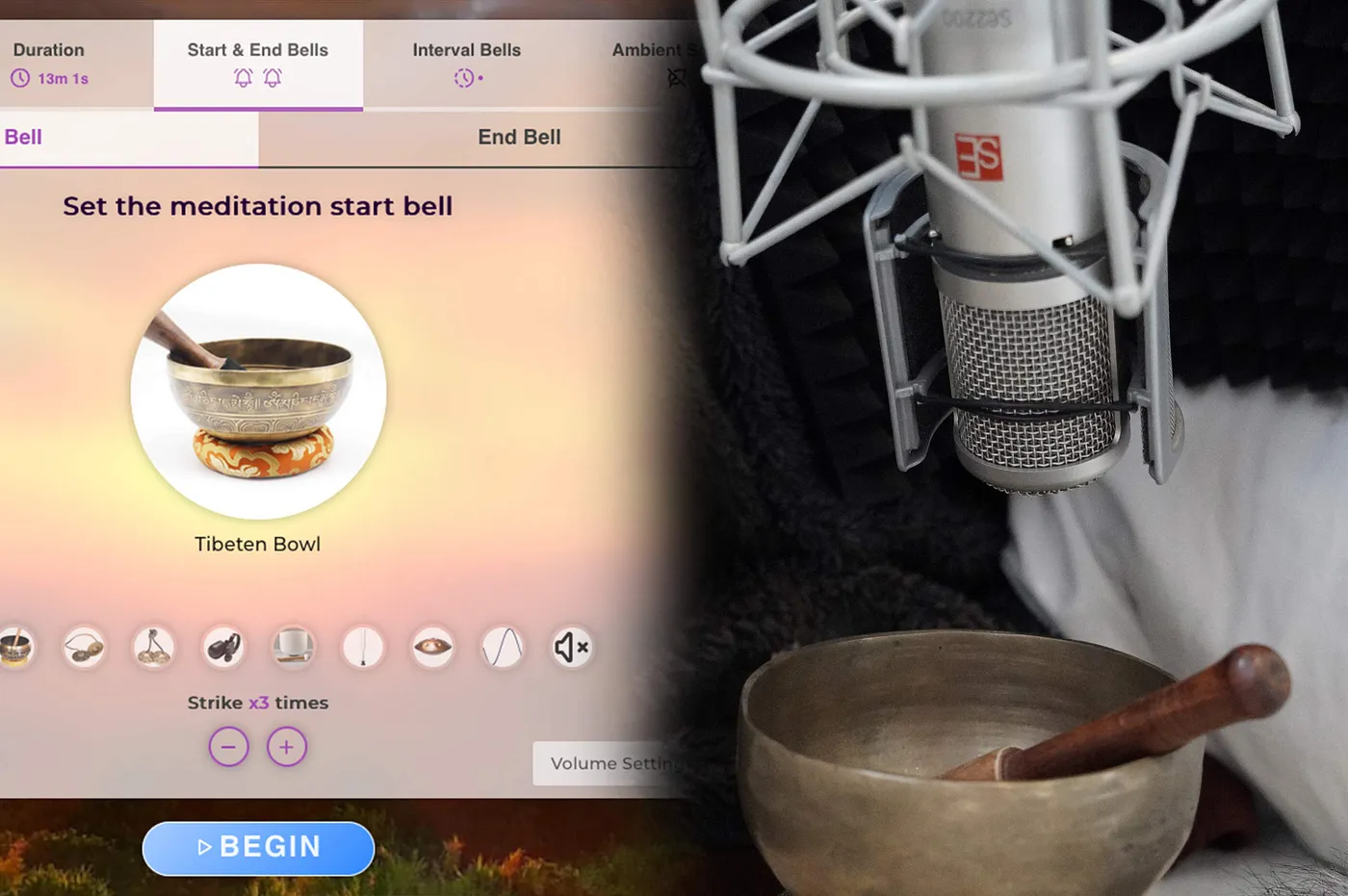
How we record the sounds for the meditation timer
Continue Reading
A reflection on Viktor Frankl's wisdom and the importance of mindfulness in our daily lives.
Continue ReadingWant to explore more meditation insights and tips?
View All ArticlesDiscover the science and benefits behind different meditation lengths. Learn which duration is right for your goals and experience level.
When you only have 60 seconds, this quick meditation can instantly reduce stress and reset your mind. Perfect for beginners and busy schedules.
Learn About 1 Min PracticeStep up from 1-minute sessions with this 2-minute meditation. Long enough for real benefits, short enough for any schedule.
Learn About 2 Min PracticePerfect for busy schedules - 5 minutes is all you need to reduce stress, improve focus, and build a daily meditation habit.
Learn About 5 Min PracticeLonger meditation practice for stress relief and improved focus. Ideal for those comfortable with shorter sessions.
Learn About 10 Min PracticeIntermediate meditation practice that develops sustained attention and deeper states of relaxation. Good for regular practitioners.
Learn About 15 Min PracticeExtended meditation practice that allows for deeper concentration and sustained mindfulness. Ideal for intermediate to advanced practitioners.
Learn About 20 Min PracticeAdvanced meditation practice for experienced practitioners. Develop sustained concentration and work with challenging emotional states.
Learn About 25 Min PracticeExtended meditation practice for experienced practitioners. Develop deep concentration and access advanced meditative states.
Learn About 30 Min PracticeNew to meditation? Start by learning about 1 or 2-minute practices and understand how to gradually build your practice.
A common point of confusion within broader culture is the difference between sexual orientation and gender identity.
The phrase "super shemale gods hot" typically refers to specific tropes within contemporary digital subcultures, adult media, and fan-driven artistic communities. This essay explores the intersection of mythological imagery, gender fluidity, and the hyper-stylization of the human form in modern visual culture. The Mythological Lens: Deities and Dualities
Transgender women of color, including Marsha P. Johnson and Sylvia Rivera, were central figures in the Stonewall uprising, which catalyzed the modern gay liberation movement.
A primary focus for trans advocacy is securing access to gender-affirming care, which includes hormone replacement therapy (HRT), mental health support, and surgeries.
Trans-led organizations often provide essential services that other sectors of the LGBTQ community may overlook, such as navigating healthcare and housing for marginalized youth. Navigating Cultural Challenges
Originating in Harlem during the late 20th century, the Ballroom scene was created by Black and Latine trans women and gay men who were excluded from white-dominated beauty pageants. Led by iconic figures like Crystal LaBeija, Ballroom became a sanctuary. "Houses" acted as chosen families, led by a House Mother or Father who provided shelter and mentorship to queer youth. The competitive balls featured categories like "realness," runway walking, and the creation of "voguing"—a stylized dance form later popularized by mainstream artists. Language and Shared Vocabulary
Pioneered by Black and Latine trans women and queer youth in Harlem during the late 20th century, ballroom culture created "houses" that served as alternative families. This culture gave birth to voguing, runway categories, and linguistic terms like "spilling tea," "throwing shade," and "work."
—divinity is frequently depicted as possessing both masculine and feminine traits. This "super" or transcendent state suggests that true power lies in the totality of the human experience rather than a single gender. Modern digital art often reclaims these "god" archetypes, using the "hot" or idealized aesthetic to present gender-fluid figures as icons of strength and perfection. The Impact of Hyper-Stylization
Despite increased visibility, the transgender community faces distinct vulnerabilities within and outside LGBTQ+ culture. Intersectionality—the understanding of how overlapping identities create unique systems of discrimination—is crucial here.
This article is part of a continued effort to educate and advocate for the safety, dignity, and celebration of all transgender and gender non-conforming individuals within the broader LGBTQ family.
Originating in Harlem during the late 20th century, ballroom culture was created by Black and Latino trans and queer communities as a safe competitive space. It birthed "voguing," specific dance styles, and runway categories.
These attacks do not stop at gender identity. When a state bans a trans girl from playing soccer, it also targets the expression of all girls who don't conform to stereotypes. When a law criminalizes drag performances, it targets gay men in sequins, lesbian comedians in suits, and theater kids everywhere.
But I can't ignore the real tensions. Need a section on trans exclusion, like LGB drop-the-T factions and TERF ideologies. Also, the specific challenges of transphobia within broader LGBTQ spaces, especially for trans women of color and non-binary people. That shows nuance.